Compound research
BPC-157: Research Overview & Current Status
BPC-157 is a synthetic pentadecapeptide (15 amino acids). Current research status: preclinical research. The overwhelming majority of BPC-157 literature is preclinical (rodent) research; published human data is extremely limited (a small number of pilot studies with fewer than 30 total human subjects) and no randomized controlled human trial results have been published.
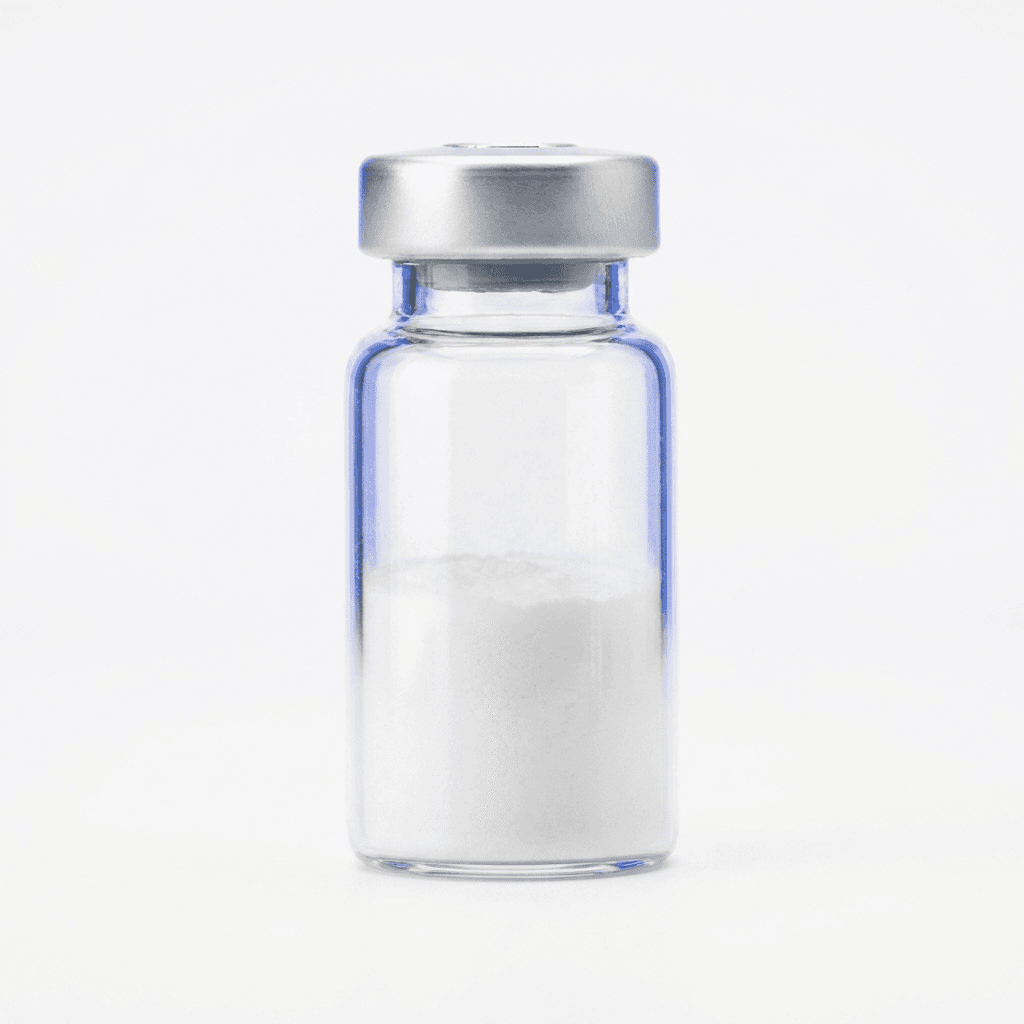
Live vendor pricing
Showing 146 of 146 listings.
Alpha Peptides
Tracked$25.99 / 10mg($25.99 to 10mg)
Checked Jul 31, 2026
Check price at Alpha Peptides →IDUN Peptides
Tracked$27.99 / 10mg($27.99 to 10mg)
Checked Jul 17, 2026
Check price at IDUN Peptides →Puratek Peptides
Tracked$29.95 / 10mg($29.95 to 10mg)
Checked Jul 31, 2026
Check price at Puratek Peptides →NextGen Peptides
Tracked$30.00 / 10mg($30.00 to 10mg)
Checked Jul 24, 2026
Check price at NextGen Peptides →TrustedPeps
Tracked$30.00 / 10mg($30.00 to 10mg)
Checked Aug 1, 2026
Check price at TrustedPeps →Red River Peptides
Tracked$35.00 / 10mg($35.00 to 10mg)
Checked May 19, 2026
Check price at Red River Peptides →Elytra Labs
Tracked$35.00 / 10mg($35.00 to 10mg)
Checked Aug 2, 2026
Check price at Elytra Labs →Optimum Formula
Tracked$37.99 / 10mg($37.99 to 10mg)
Checked May 14, 2026
Check price at Optimum Formula →Noble Sciences
Tracked$39.00 / 10mg($39.00 to 10mg)
Checked Aug 1, 2026
Check price at Noble Sciences →RemedyX Labs
Tracked$39.00 / 10mg($39.00 to 10mg)
Checked Aug 1, 2026
Check price at RemedyX Labs →Amino Club
Tracked$39.99 / 10mg($39.99 to 10mg)
Checked Aug 7, 2026
Check price at Amino Club →Woosh Labs
Tracked$39.99 / 10mg($39.99 to 10mg)
Checked Jun 24, 2026
Check price at Woosh Labs →Averix Labs
Tracked$39.99 / 10mg($39.99 to 10mg)
Checked Jul 16, 2026
Check price at Averix Labs →Euno Labs Research
Tracked$39.99 / 10mg($39.99 to 10mg)
Checked Jul 25, 2026
Check price at Euno Labs Research →Ascend Amino
Tracked$39.99 / 10mg($39.99 to 10mg)
Checked Jul 28, 2026
Check price at Ascend Amino →Refined BioLabs
Tracked$39.99 / 10mg($39.99 to 10mg)
Checked Jul 30, 2026
Check price at Refined BioLabs →Pure Amino
Tracked$39.99 / 10mg($39.99 to 10mg)
Checked Aug 15, 2026
Check price at Pure Amino →Peptides For Less
Tracked$20.00 / 5mg($40.00 to 10mg)
Checked Aug 13, 2026
Check price at Peptides For Less →Peptyx Labs
Tracked$40.00 / 10mg($40.00 to 10mg)
Checked May 26, 2026
Check price at Peptyx Labs →VoidResearch
Tracked$40.00 / 10mg($40.00 to 10mg)
Checked Jul 30, 2026
Check price at VoidResearch →Cielo Peptides
Tracked$40.00 / 10mg($40.00 to 10mg)
Checked Aug 8, 2026
Check price at Cielo Peptides →Badger Compounds
Tracked$41.99 / 10mg($41.99 to 10mg)
Checked Aug 15, 2026
Check price at Badger Compounds →Enhanced Chem
Tracked$41.99 / 10mg($41.99 to 10mg)
Checked Aug 15, 2026
Check price at Enhanced Chem →Peptide Giants
Tracked$43.99 / 10mg($43.99 to 10mg)
Checked Aug 1, 2026
Check price at Peptide Giants →EZ Peptides
Tracked$44.00 / 10mg($44.00 to 10mg)
Checked Aug 13, 2026
Check price at EZ Peptides →Qureshi Labs
Tracked$44.99 / 10mg($44.99 to 10mg)
Checked Jul 25, 2026
Check price at Qureshi Labs →GMR Peptides
Tracked$44.99 / 10mg($44.99 to 10mg)
Checked Jul 29, 2026
Check price at GMR Peptides →Purgo Labs
Tracked$44.99 / 10mg($44.99 to 10mg)
Checked Aug 1, 2026
Check price at Purgo Labs →Orbitrex Peptides
Tracked$44.99 / 10mg($44.99 to 10mg)
Checked Aug 3, 2026
Check price at Orbitrex Peptides →Axon Chems
Tracked$45.00 / 10mg($45.00 to 10mg)
Checked Jul 31, 2026
Check price at Axon Chems →PeakForm Peptides
Tracked$45.00 / 10mg($45.00 to 10mg)
Checked Aug 1, 2026
Check price at PeakForm Peptides →Glacier Aminos
Tracked$45.99 / 10mg($45.99 to 10mg)
Checked Jul 31, 2026
Check price at Glacier Aminos →Durham Peptides
Tracked$47.08 / 10mg($47.08 to 10mg)
Checked Aug 7, 2026
Check price at Durham Peptides →Offline Peptides
Tracked$48.00 / 10mg($48.00 to 10mg)
Checked Jul 28, 2026
Check price at Offline Peptides →PeakForce Labs
Tracked$49.00 / 10mg($49.00 to 10mg)
Checked Aug 15, 2026
Check price at PeakForce Labs →Midwest Peptide
Tracked$49.99 / 10mg($49.99 to 10mg)
Checked Jun 18, 2026
Check price at Midwest Peptide →Arizen Bio Labs
Tracked$49.99 / 10mg($49.99 to 10mg)
Checked Jun 21, 2026
Check price at Arizen Bio Labs →Evo Labs Research
Tracked$49.99 / 10mg($49.99 to 10mg)
Checked Jun 22, 2026
Check price at Evo Labs Research →Mile High Compounds
Tracked$49.99 / 10mg($49.99 to 10mg)
Checked Aug 3, 2026
Check price at Mile High Compounds →Rivn Peptides
Tracked$49.99 / 10mg($49.99 to 10mg)
Checked Aug 14, 2026
Check price at Rivn Peptides →Optima Supply
Tracked$25.00 / 5mg($50.00 to 10mg)
Checked Aug 3, 2026
Check price at Optima Supply →Ascending Labs
Tracked$25.00 / 5mg($50.00 to 10mg)
Checked Jul 25, 2026
Check price at Ascending Labs →PeakForm Peptides
Tracked$25.00 / 5mg($50.00 to 10mg)
Checked Aug 1, 2026
Check price at PeakForm Peptides →Ignite Peptides
Tracked$50.00 / 10mg($50.00 to 10mg)
Checked Jun 12, 2026
Check price at Ignite Peptides →Premier Research
Tracked$50.00 / 10mg($50.00 to 10mg)
Checked Jul 20, 2026
Check price at Premier Research →Peptide Giants
Tracked$25.29 / 5mg($50.58 to 10mg)
Checked Aug 1, 2026
Check price at Peptide Giants →Chameleon Peptides
Tracked$53.10 / 10mg($53.10 to 10mg)
Checked Jul 31, 2026
Check price at Chameleon Peptides →Axiom Peptides
Tracked$27.00 / 5mg($54.00 to 10mg)
Checked Apr 14, 2026
Check price at Axiom Peptides →Evolve Peptides
Tracked$54.90 / 10mg($54.90 to 10mg)
Checked Apr 22, 2026
Check price at Evolve Peptides →RUO Market
Tracked$54.99 / 10mg($54.99 to 10mg)
Checked Aug 2, 2026
Check price at RUO Market →Enhanced Chem
Tracked$54.99 / 20mg($54.99 to 10mg)
Checked Aug 15, 2026
Check price at Enhanced Chem →NextGen Peptides
Tracked$55.00 / 20mg($55.00 to 10mg)
Checked Jul 24, 2026
Check price at NextGen Peptides →Amino Science Labs
Tracked$55.99 / 10mg($55.99 to 10mg)
Checked Jul 27, 2026
Check price at Amino Science Labs →Anglo Peptides
Tracked$57.08 / 10mg($57.08 to 10mg)
Checked Jul 19, 2026
Check price at Anglo Peptides →Global Aminos
Tracked$58.99 / 10mg($58.99 to 10mg)
Checked Jul 28, 2026
Check price at Global Aminos →Woosh Labs
Tracked$29.99 / 5mg($59.98 to 10mg)
Checked Jun 24, 2026
Check price at Woosh Labs →LA Peptides
Tracked$59.99 / 10mg($59.99 to 10mg)
Checked May 14, 2026
Check price at LA Peptides →Vantyx Research
Tracked$30.00 / 5mg($60.00 to 10mg)
Checked Aug 15, 2026
Check price at Vantyx Research →Axon Chems
Tracked$30.00 / 5mg($60.00 to 10mg)
Checked Jul 31, 2026
Check price at Axon Chems →Apex Peptides
Tracked$60.00 / 10mg($60.00 to 10mg)
Checked Jul 31, 2026
Check price at Apex Peptides →Anglo Peptides
Tracked$30.68 / 5mg($61.36 to 10mg)
Checked Jul 19, 2026
Check price at Anglo Peptides →Nationwide Peptides
Tracked$63.00 / 10mg($63.00 to 10mg)
Checked Aug 5, 2026
Check price at Nationwide Peptides →Offline Peptides
Tracked$32.00 / 5mg($64.00 to 10mg)
Checked Jul 28, 2026
Check price at Offline Peptides →True Research Labs
Tracked$64.00 / 10mg($64.00 to 10mg)
Checked Aug 15, 2026
Check price at True Research Labs →Eternal Peptides
Tracked$64.99 / 10mg($64.99 to 10mg)
Checked Aug 2, 2026
Check price at Eternal Peptides →Evolve Peptides
Tracked$65.00 / 15mg($65.00 to 10mg)
Checked Apr 22, 2026
Check price at Evolve Peptides →Hydro Research
Tracked$65.00 / 10mg($65.00 to 10mg)
Checked Jun 5, 2026
Check price at Hydro Research →UNYX Peptides
Tracked$65.00 / 10mg($65.00 to 10mg)
Checked Jul 31, 2026
Check price at UNYX Peptides →Polar Peptides
Tracked$66.95 / 10mg($66.95 to 10mg)
Checked Apr 17, 2026
Check price at Polar Peptides →Purity Peptides
Tracked$67.65 / 10mg($67.65 to 10mg)
Checked Jul 16, 2026
Check price at Purity Peptides →Durham Peptides
Tracked$67.77 / 20mg($67.77 to 10mg)
Checked Aug 7, 2026
Check price at Durham Peptides →Chameleon Peptides
Tracked$34.20 / 5mg($68.40 to 10mg)
Checked Jul 31, 2026
Check price at Chameleon Peptides →Apex Peptide Supply
Tracked$68.99 / 10mg($68.99 to 10mg)
Checked May 14, 2026
Check price at Apex Peptide Supply →Olympex Solutions
Tracked$34.99 / 5mg($69.98 to 10mg)
Checked Apr 6, 2026
Check price at Olympex Solutions →Qureshi Labs
Tracked$34.99 / 5mg($69.98 to 10mg)
Checked Jul 25, 2026
Check price at Qureshi Labs →Eternal Peptides
Tracked$34.99 / 5mg($69.98 to 10mg)
Checked Aug 2, 2026
Check price at Eternal Peptides →SKO Compounds
Tracked$69.99 / 10mg($69.99 to 10mg)
Checked Jul 23, 2026
Check price at SKO Compounds →$70.00 / 10mg($70.00 to 10mg)
Checked Apr 16, 2026
Check price at Ascension Peptides →Pristine Aminos
Tracked$70.00 / 10mg($70.00 to 10mg)
Checked Aug 2, 2026
Check price at Pristine Aminos →Hydro Research
Tracked$36.00 / 5mg($72.00 to 10mg)
Checked Jun 5, 2026
Check price at Hydro Research →$73.00 / 10mg($73.00 to 10mg)
Checked Jul 31, 2026
Check price at Amino Vault →Atomik Labz
Tracked$73.00 / 10mg($73.00 to 10mg)
Checked Aug 4, 2026
Check price at Atomik Labz →Axon Chems
Tracked$75.00 / 20mg($75.00 to 10mg)
Checked Jul 31, 2026
Check price at Axon Chems →Pulse Peptides
Tracked$37.79 / 5mg($75.58 to 10mg)
Checked Apr 17, 2026
Check price at Pulse Peptides →Liv Pure Wellness
Tracked$75.99 / 10mg($75.99 to 10mg)
Checked Apr 14, 2026
Check price at Liv Pure Wellness →Modern Aminos
Tracked$38.00 / 5mg($76.00 to 10mg)
Checked May 14, 2026
Check price at Modern Aminos →Evolve Peptides
Tracked$39.90 / 5mg($79.80 to 10mg)
Checked Apr 22, 2026
Check price at Evolve Peptides →Apex Peptide Supply
Tracked$39.99 / 5mg($79.98 to 10mg)
Checked May 14, 2026
Check price at Apex Peptide Supply →Evo Labs Research
Tracked$39.99 / 5mg($79.98 to 10mg)
Checked Jun 22, 2026
Check price at Evo Labs Research →Glacier Aminos
Tracked$79.99 / 20mg($79.99 to 10mg)
Checked Jul 31, 2026
Check price at Glacier Aminos →Liv Pure Wellness
Tracked$40.00 / 5mg($80.00 to 10mg)
Checked Apr 14, 2026
Check price at Liv Pure Wellness →UNYX Peptides
Tracked$40.00 / 5mg($80.00 to 10mg)
Checked Jul 31, 2026
Check price at UNYX Peptides →Atomik Labz
Tracked$40.00 / 5mg($80.00 to 10mg)
Checked Aug 4, 2026
Check price at Atomik Labz →Swift Peptides
Tracked$82.99 / 10mg($82.99 to 10mg)
Checked Aug 6, 2026
Check price at Swift Peptides →Swift Peptides
Tracked$41.99 / 5mg($83.98 to 10mg)
Checked Aug 6, 2026
Check price at Swift Peptides →Nationwide Peptides
Tracked$42.00 / 5mg($84.00 to 10mg)
Checked Aug 5, 2026
Check price at Nationwide Peptides →Optima Supply
Tracked$85.00 / 10mg($85.00 to 10mg)
Checked Aug 3, 2026
Check price at Optima Supply →Peptides For Less
Tracked$85.00 / 20mg($85.00 to 10mg)
Checked Aug 13, 2026
Check price at Peptides For Less →Purity Peptides
Tracked$42.72 / 5mg($85.44 to 10mg)
Checked Jul 16, 2026
Check price at Purity Peptides →Pantheon Peptides
Tracked$43.20 / 5mg($86.40 to 10mg)
Checked Apr 23, 2026
Check price at Pantheon Peptides →Pantheon Peptides
Tracked$86.40 / 15mg($86.40 to 10mg)
Checked Apr 23, 2026
Check price at Pantheon Peptides →CertaPeptides
Tracked$88.85 / 10mg($88.85 to 10mg)
Checked Jun 27, 2026
Check price at CertaPeptides →Purity Peptides
Tracked$89.02 / 20mg($89.02 to 10mg)
Checked Jul 16, 2026
Check price at Purity Peptides →Onyx Research
Tracked$45.00 / 5mg($90.00 to 10mg)
Checked Apr 6, 2026
Check price at Onyx Research →$92.00 / 10mg($92.00 to 10mg)
Checked May 14, 2026
Check price at Biotech Peptides →Pepsynth Labs
Tracked$95.00 / 10mg($95.00 to 10mg)
Checked Aug 7, 2026
Check price at Pepsynth Labs →$97.00 / 10mg($97.00 to 10mg)
Checked Apr 16, 2026
Check price at Core Peptides →BioLongevity Labs
Tracked$99.97 / 10mg($99.97 to 10mg)
Checked Aug 2, 2026
Check price at BioLongevity Labs →PureBio Labs
Tracked$99.99 / 10mg($99.99 to 10mg)
Checked Aug 5, 2026
Check price at PureBio Labs →CertaPeptides
Tracked$50.11 / 5mg($100.22 to 10mg)
Checked Jun 27, 2026
Check price at CertaPeptides →$52.00 / 5mg($104.00 to 10mg)
Checked May 14, 2026
Check price at Biotech Peptides →$52.00 / 5mg($104.00 to 10mg)
Checked Apr 16, 2026
Check price at Core Peptides →Pantheon Peptides
Tracked$21.60 / 2mg($108.00 to 10mg)
Checked Apr 23, 2026
Check price at Pantheon Peptides →$55.00 / 5mg($110.00 to 10mg)
Checked Apr 16, 2026
Check price at Ascension Peptides →Atomik Labz
Tracked$110.00 / 20mg($110.00 to 10mg)
Checked Aug 4, 2026
Check price at Atomik Labz →Apex Peptides Lab
Tracked$119.00 / 20mg($119.00 to 10mg)
Checked Aug 15, 2026
Check price at Apex Peptides Lab →Polar Peptides
Tracked$125.99 / 20mg($125.99 to 10mg)
Checked Apr 17, 2026
Check price at Polar Peptides →CertaPeptides
Tracked$141.25 / 20mg($141.25 to 10mg)
Checked Jun 27, 2026
Check price at CertaPeptides →Swift Peptides
Tracked$153.99 / 20mg($153.99 to 10mg)
Checked Aug 6, 2026
Check price at Swift Peptides →CertaPeptides
Tracked$31.89 / 2mg($159.45 to 10mg)
Checked Jun 27, 2026
Check price at CertaPeptides →PureBio Labs
Tracked$79.99 / 5mg($159.98 to 10mg)
Checked Aug 5, 2026
Check price at PureBio Labs →$174.25 / 20mg($174.25 to 10mg)
Checked Jul 31, 2026
Check price at Amino Vault →Everest Peptides
Tracked$39.99 / 10mg($39.99 to 10mg)
Checked Jul 28, 2026
Check price at Everest Peptides →Particle Peptides
Tracked$29.59 / 5mg($59.18 to 10mg)
Checked Jul 24, 2026
Check price at Particle Peptides →Enhanced Chem
Tracked$34.99 / 5mg($69.98 to 10mg)
Checked Aug 15, 2026
Check price at Enhanced Chem →BPC-157 price report
BPC-157 currently costs as little as $25.99 to obtain 10mg, from Alpha Peptides. Across the 97 vendors we track, the typical cost to 10mg is $50.00, using each vendor's own cheapest listing. 95 of those vendors show current stock, and prices were checked through Aug 15, 2026.
- Lowest to 10mg
- $25.99
- Alpha Peptides
- Median to 10mg
- $50.00
- one offer per vendor
- Lowest package
- $20.00
- 5mg at Peptides For Less
- Vendors tracked
- 97
- 95 in stock
Checked through Aug 15, 2026. Prices are aggregated from public vendor listings. Sources and data licensing are documented on our methodology page.
At a glance
- Category
- recovery
- Mechanism class
- Body / tissue regenerative peptide
- Research phase
- Research / preclinical only
- NCAA status
- Banned (NCAA 2025-26 list) — Explicitly named on NCAA Banned Drugs List (added 2023) under Peptide Hormones, Growth Factors & Mimetics.
- WADA status
- Prohibited (WADA S2 — Peptide Hormones, Growth Factors, Related Substances)
Overview
BPC-157 is a synthetic 15-amino-acid peptide fragment derived from a protective protein originally isolated from human gastric juice by Croatian researcher Predrag Sikiric and colleagues in the early 1990s. It has no approved medical use and is studied almost exclusively in animal (largely rat) models examining gastrointestinal, tendon, and wound-healing pathways.
synthetic pentadecapeptide (15 amino acids)
Research timeline
1992
First PubMed-indexed study by Sikiric and colleagues describing a peptide isolated from human gastric juice and testing organ-protective effects in rats.
Source →1993
Formal introduction/description of the BPC-157 pentadecapeptide sequence (Gly-Glu-Pro-Pro-Pro-Gly-Lys-Pro-Ala-Asp-Asp-Ala-Gly-Leu-Val) by Sikiric and colleagues.
Source →2010
Study on the promoting effect of BPC-157 on tendon healing in rat models, examining tendon outgrowth, cell survival, and cell migration.
Source →2015
A Phase I safety/pharmacokinetics trial of an oral BPC-157 formulation (NCT02637284) was registered on ClinicalTrials.gov; the trial's data were later withdrawn before external review and no peer-reviewed results were published.
Source →2021
Rat study evaluating BPC-157 as a therapy for disabled myotendinous junctions.
Source →2025
A systematic review of BPC-157 for orthopaedic sports medicine applications screened 544 articles and found only 1 clinical study met inclusion criteria, with the remaining 35 eligible studies being preclinical animal models.
Source →
Active & recent research
Emerging Use of BPC-157 in Orthopaedic Sports Medicine: A Systematic Review
musculoskeletal/tendon healing applications across published animal and (sparse) human studies
Multifunctionality and Possible Medical Application of the BPC 157 Peptide: Literature and Patent Review
surveying proposed mechanisms and patent activity across gastrointestinal, musculoskeletal, and neurological research domains
Regeneration or Risk? A Narrative Review of BPC-157 for Musculoskeletal Healing
evaluating strength of evidence and safety signals for musculoskeletal applications
Registered oral BPC-157 safety/PK study
safety and pharmacokinetics of an oral BPC-157 formulation in human volunteers
Key findings
- A 2010 study reported that BPC-157 promoted tendon outgrowth, fibroblast survival, and cell migration in an in vitro/rat tendon explant model.
- A 2021 rat study reported that BPC-157 supported healing of disabled myotendinous junctions compared to controls.
- A 2025 systematic review covering orthopaedic sports medicine applications found the evidence base is dominated by animal studies, with only one clinical study meeting inclusion criteria out of 544 screened articles.
- Reviewers investigating the 2015 registered human safety trial found the underlying data were never published or independently verified, despite a 2025 review characterizing the compound as safe and well-tolerated based on unverified sponsor claims.
Safety & regulatory notes
BPC-157 is not an approved drug in any jurisdiction and is not a lawful dietary supplement ingredient; the FDA's approved-drug database does not list it. It appears on the World Anti-Doping Agency (WADA) Prohibited List under class S0 (Non-Approved Substances) and on the U.S. Department of Defense's Prohibited Dietary Supplement Ingredients List. Human safety data are extremely limited, so toxicity, interaction, and long-term risk profiles in people are not well characterized.
We may earn a commission when readers buy through links on this page, at no extra cost to you. Commissions never affect a vendor's score. Every vendor is graded on the same public rubric built from published lab documentation, live catalog pricing, and community sentiment. How we score →
Where it's sold for research
We track vendor availability and published pricing for BPC-157 on a dedicated page. See where to buy BPC-157 →
BPC-157 FAQ
Is BPC-157 FDA-approved?+
No. BPC-157 has not received FDA approval for any medical indication and is classified by the FDA as an unapproved drug that cannot be legally marketed for human use.
What is BPC-157 studied for?+
Published research, almost all in rodent models, has examined BPC-157 in the context of gastrointestinal protection, tendon and ligament healing, and wound repair pathways.
Is there human clinical trial data on BPC-157?+
Very little. A small number of pilot human studies exist, and a registered 2015 Phase I safety trial had its data withdrawn before external review, so no verified randomized controlled human trial results are publicly available.
Is BPC-157 legal to buy for research purposes?+
It is sold by some suppliers labeled 'for research use only, not for human consumption,' but regulatory bodies including the FDA have flagged it as an unapproved drug found improperly marketed in wellness products; buyers should understand its legal status is unsettled and it is banned in competitive sports.
Sources for this page (12)
- 1 https://www.statnews.com/2026/02/03/bpc-157-peptide-science-safety-regulatory-questions/
- 2 https://www.opss.org/article/bpc-157-prohibited-peptide-and-unapproved-drug-found-health-and-wellness-products
- 3 https://clinicaltrials.gov/search?intr=bpc-157
- 4 https://pmc.ncbi.nlm.nih.gov/articles/PMC8615275/
- 5 https://www.ncbi.nlm.nih.gov/pmc/articles/PMC6271067/
- 6 https://pmc.ncbi.nlm.nih.gov/articles/PMC11053547/
- 7 https://pubmed.ncbi.nlm.nih.gov/40789979/
- 8 https://www.mdpi.com/1424-8247/18/2/185
- 9 https://pubmed.ncbi.nlm.nih.gov/21030672/
- 10 https://pubmed.ncbi.nlm.nih.gov/40005999/
- 11 https://pubmed.ncbi.nlm.nih.gov/40756949/
- 12 https://www.ncbi.nlm.nih.gov/pmc/articles/PMC11859134/
Researched together
Related: all compound research overviews · full price index · research radar · full vendor rankings · methodology