Compound research
Selank: Research Overview & Current Status
Selank is a Synthetic heptapeptide (tuftsin analog) / anxiolytic neuropeptide. Current research status: approved (non-drug / other indication). Selank is approved as a prescription anxiolytic in the Russian Federation and marketed there in intranasal form. It has no FDA or EMA approval and is not a legally marketed drug in the U.S. or EU.
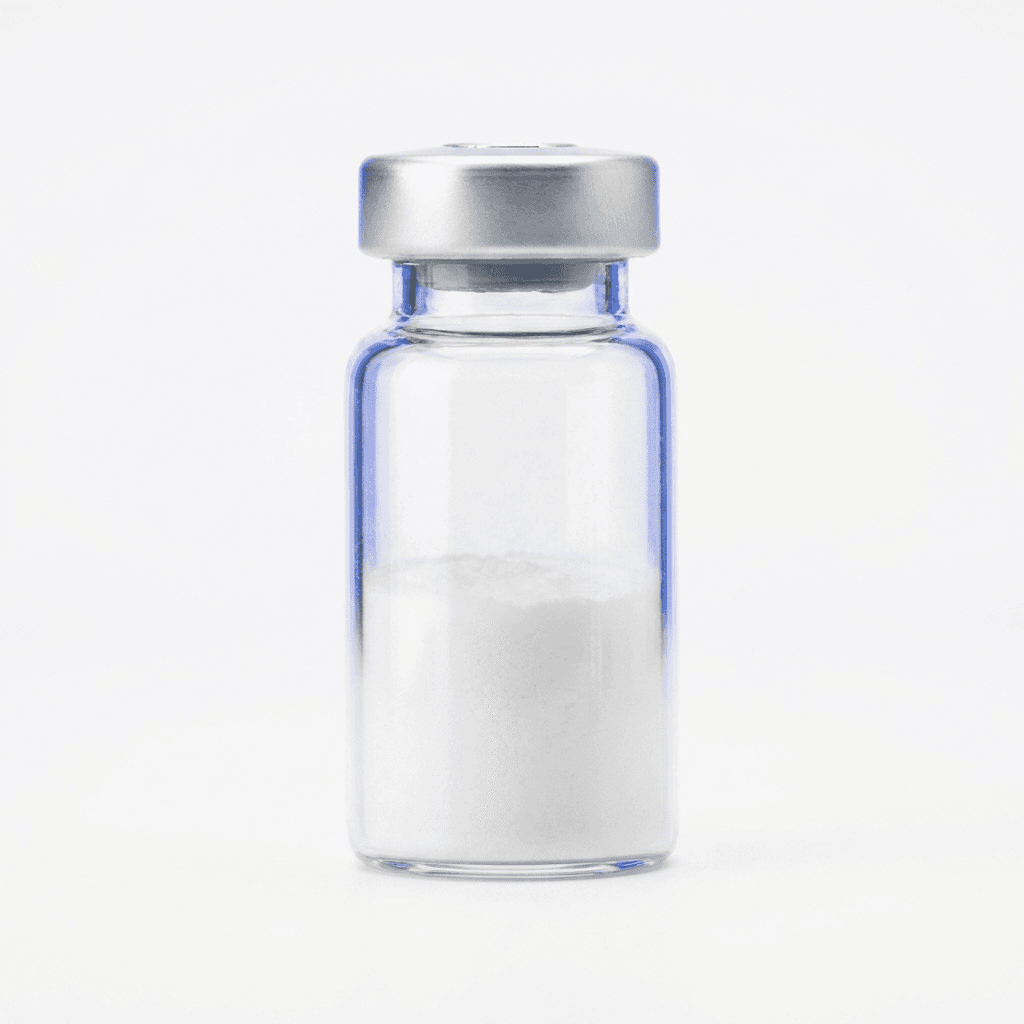
Live vendor pricing
Showing 96 of 96 listings.
TrustedPeps
Tracked$25.00 / 10mg($25.00 to 10mg)
Checked Aug 1, 2026
Check price at TrustedPeps →Particle Peptides
Tracked$29.59 / 10mg($29.59 to 10mg)
Checked Jul 24, 2026
Check price at Particle Peptides →Qureshi Labs
Tracked$29.90 / 10mg($29.90 to 10mg)
Checked Jul 25, 2026
Check price at Qureshi Labs →Woosh Labs
Tracked$29.99 / 10mg($29.99 to 10mg)
Checked Jun 24, 2026
Check price at Woosh Labs →Averix Labs
Tracked$29.99 / 10mg($29.99 to 10mg)
Checked Jul 16, 2026
Check price at Averix Labs →Euno Labs Research
Tracked$29.99 / 10mg($29.99 to 10mg)
Checked Jul 25, 2026
Check price at Euno Labs Research →Pure Amino
Tracked$29.99 / 10mg($29.99 to 10mg)
Checked Aug 15, 2026
Check price at Pure Amino →Red River Peptides
Tracked$30.00 / 10mg($30.00 to 10mg)
Checked May 19, 2026
Check price at Red River Peptides →Ignite Peptides
Tracked$30.00 / 10mg($30.00 to 10mg)
Checked Jun 12, 2026
Check price at Ignite Peptides →NextGen Peptides
Tracked$30.00 / 10mg($30.00 to 10mg)
Checked Jul 24, 2026
Check price at NextGen Peptides →VoidResearch
Tracked$30.00 / 10mg($30.00 to 10mg)
Checked Jul 30, 2026
Check price at VoidResearch →Elytra Labs
Tracked$30.00 / 10mg($30.00 to 10mg)
Checked Aug 2, 2026
Check price at Elytra Labs →Everest Peptides
Tracked$31.99 / 10mg($31.99 to 10mg)
Checked Jul 28, 2026
Check price at Everest Peptides →Badger Compounds
Tracked$31.99 / 10mg($31.99 to 10mg)
Checked Aug 15, 2026
Check price at Badger Compounds →Pulse Peptides
Tracked$32.39 / 10mg($32.39 to 10mg)
Checked Apr 17, 2026
Check price at Pulse Peptides →Puratek Peptides
Tracked$32.95 / 10mg($32.95 to 10mg)
Checked Jul 31, 2026
Check price at Puratek Peptides →Amino Club
Tracked$34.99 / 10mg($34.99 to 10mg)
Checked Aug 7, 2026
Check price at Amino Club →IDUN Peptides
Tracked$34.99 / 10mg($34.99 to 10mg)
Checked Jul 17, 2026
Check price at IDUN Peptides →Purgo Labs
Tracked$34.99 / 10mg($34.99 to 10mg)
Checked Aug 1, 2026
Check price at Purgo Labs →Orbitrex Peptides
Tracked$34.99 / 10mg($34.99 to 10mg)
Checked Aug 3, 2026
Check price at Orbitrex Peptides →Ascending Labs
Tracked$35.00 / 10mg($35.00 to 10mg)
Checked Jul 25, 2026
Check price at Ascending Labs →Atomik Labz
Tracked$35.00 / 10mg($35.00 to 10mg)
Checked Aug 4, 2026
Check price at Atomik Labz →GMR Peptides
Tracked$35.99 / 10mg($35.99 to 10mg)
Checked Jul 29, 2026
Check price at GMR Peptides →Enhanced Chem
Tracked$37.99 / 10mg($37.99 to 10mg)
Checked Aug 15, 2026
Check price at Enhanced Chem →Anglo Peptides
Tracked$38.53 / 10mg($38.53 to 10mg)
Checked Jul 19, 2026
Check price at Anglo Peptides →Noble Sciences
Tracked$39.00 / 10mg($39.00 to 10mg)
Checked Aug 1, 2026
Check price at Noble Sciences →RemedyX Labs
Tracked$39.00 / 10mg($39.00 to 10mg)
Checked Aug 1, 2026
Check price at RemedyX Labs →Durham Peptides
Tracked$39.23 / 10mg($39.23 to 10mg)
Checked Aug 7, 2026
Check price at Durham Peptides →Apex Peptide Supply
Tracked$19.99 / 5mg($39.98 to 10mg)
Checked May 14, 2026
Check price at Apex Peptide Supply →Optimum Formula
Tracked$39.99 / 10mg($39.99 to 10mg)
Checked May 14, 2026
Check price at Optimum Formula →Midwest Peptide
Tracked$39.99 / 10mg($39.99 to 10mg)
Checked Jun 18, 2026
Check price at Midwest Peptide →Arizen Bio Labs
Tracked$39.99 / 10mg($39.99 to 10mg)
Checked Jun 21, 2026
Check price at Arizen Bio Labs →Mile High Compounds
Tracked$39.99 / 10mg($39.99 to 10mg)
Checked Aug 3, 2026
Check price at Mile High Compounds →Step One Ventures
Tracked$40.00 / 10mg($40.00 to 10mg)
Checked Jul 22, 2026
Check price at Step One Ventures →Glacier Aminos
Tracked$40.99 / 10mg($40.99 to 10mg)
Checked Jul 31, 2026
Check price at Glacier Aminos →RUO Market
Tracked$40.99 / 10mg($40.99 to 10mg)
Checked Aug 2, 2026
Check price at RUO Market →Global Aminos
Tracked$42.99 / 10mg($42.99 to 10mg)
Checked Jul 28, 2026
Check price at Global Aminos →Polar Peptides
Tracked$43.19 / 10mg($43.19 to 10mg)
Checked Apr 17, 2026
Check price at Polar Peptides →CertaPeptides
Tracked$44.42 / 10mg($44.42 to 10mg)
Checked Jun 27, 2026
Check price at CertaPeptides →Vantyx Research
Tracked$45.00 / 10mg($45.00 to 10mg)
Checked Aug 15, 2026
Check price at Vantyx Research →Premier Research
Tracked$45.00 / 10mg($45.00 to 10mg)
Checked Jul 20, 2026
Check price at Premier Research →Axon Chems
Tracked$45.00 / 10mg($45.00 to 10mg)
Checked Jul 31, 2026
Check price at Axon Chems →Offline Peptides
Tracked$45.00 / 10mg($45.00 to 10mg)
Checked Jul 28, 2026
Check price at Offline Peptides →PeakForm Peptides
Tracked$45.00 / 10mg($45.00 to 10mg)
Checked Aug 1, 2026
Check price at PeakForm Peptides →PeakForce Labs
Tracked$45.00 / 10mg($45.00 to 10mg)
Checked Aug 15, 2026
Check price at PeakForce Labs →$46.00 / 10mg($46.00 to 10mg)
Checked May 14, 2026
Check price at Biotech Peptides →Modern Aminos
Tracked$48.00 / 10mg($48.00 to 10mg)
Checked May 14, 2026
Check price at Modern Aminos →Pepsynth Labs
Tracked$48.00 / 10mg($48.00 to 10mg)
Checked Aug 7, 2026
Check price at Pepsynth Labs →Liv Pure Wellness
Tracked$49.99 / 10mg($49.99 to 10mg)
Checked Apr 14, 2026
Check price at Liv Pure Wellness →Evo Labs Research
Tracked$49.99 / 10mg($49.99 to 10mg)
Checked Jun 22, 2026
Check price at Evo Labs Research →$52.00 / 10mg($52.00 to 10mg)
Checked Apr 16, 2026
Check price at Core Peptides →Eternal Peptides
Tracked$54.99 / 10mg($54.99 to 10mg)
Checked Aug 2, 2026
Check price at Eternal Peptides →$55.00 / 10mg($55.00 to 10mg)
Checked Apr 16, 2026
Check price at Ascension Peptides →Amino Science Labs
Tracked$58.99 / 10mg($58.99 to 10mg)
Checked Jul 27, 2026
Check price at Amino Science Labs →Peptide Giants
Tracked$59.99 / 10mg($59.99 to 10mg)
Checked Aug 1, 2026
Check price at Peptide Giants →Evolve Peptides
Tracked$30.00 / 5mg($60.00 to 10mg)
Checked Apr 22, 2026
Check price at Evolve Peptides →UNYX Peptides
Tracked$60.00 / 10mg($60.00 to 10mg)
Checked Jul 31, 2026
Check price at UNYX Peptides →Chameleon Peptides
Tracked$60.30 / 10mg($60.30 to 10mg)
Checked Jul 31, 2026
Check price at Chameleon Peptides →Purity Peptides
Tracked$60.53 / 10mg($60.53 to 10mg)
Checked Jul 16, 2026
Check price at Purity Peptides →Licensed Peptides
Tracked$61.99 / 10mg($61.99 to 10mg)
Checked Jun 4, 2026
Check price at Licensed Peptides →Nationwide Peptides
Tracked$31.00 / 5mg($62.00 to 10mg)
Checked Aug 5, 2026
Check price at Nationwide Peptides →Pristine Aminos
Tracked$65.00 / 10mg($65.00 to 10mg)
Checked Aug 2, 2026
Check price at Pristine Aminos →Olympex Solutions
Tracked$32.99 / 5mg($65.98 to 10mg)
Checked Apr 6, 2026
Check price at Olympex Solutions →Peptide Giants
Tracked$32.99 / 5mg($65.98 to 10mg)
Checked Aug 1, 2026
Check price at Peptide Giants →Swift Peptides
Tracked$65.99 / 10mg($65.99 to 10mg)
Checked Aug 6, 2026
Check price at Swift Peptides →SKO Compounds
Tracked$66.99 / 10mg($66.99 to 10mg)
Checked Jul 23, 2026
Check price at SKO Compounds →CertaPeptides
Tracked$34.16 / 5mg($68.32 to 10mg)
Checked Jun 27, 2026
Check price at CertaPeptides →Global Aminos
Tracked$34.99 / 5mg($69.98 to 10mg)
Checked Jul 28, 2026
Check price at Global Aminos →Eternal Peptides
Tracked$34.99 / 5mg($69.98 to 10mg)
Checked Aug 2, 2026
Check price at Eternal Peptides →Hydro Research
Tracked$35.00 / 5mg($70.00 to 10mg)
Checked Jun 5, 2026
Check price at Hydro Research →Optima Supply
Tracked$35.00 / 5mg($70.00 to 10mg)
Checked Aug 3, 2026
Check price at Optima Supply →Axon Chems
Tracked$35.00 / 5mg($70.00 to 10mg)
Checked Jul 31, 2026
Check price at Axon Chems →UNYX Peptides
Tracked$35.00 / 5mg($70.00 to 10mg)
Checked Jul 31, 2026
Check price at UNYX Peptides →Polar Peptides
Tracked$71.99 / 20mg($71.99 to 10mg)
Checked Apr 17, 2026
Check price at Polar Peptides →Chameleon Peptides
Tracked$36.00 / 5mg($72.00 to 10mg)
Checked Jul 31, 2026
Check price at Chameleon Peptides →Pantheon Peptides
Tracked$36.00 / 5mg($72.00 to 10mg)
Checked Apr 23, 2026
Check price at Pantheon Peptides →Onyx Research
Tracked$40.00 / 5mg($80.00 to 10mg)
Checked Apr 6, 2026
Check price at Onyx Research →Nationwide Peptides
Tracked$85.00 / 10mg($85.00 to 10mg)
Checked Aug 5, 2026
Check price at Nationwide Peptides →$89.00 / 10mg($89.00 to 10mg)
Checked Jul 31, 2026
Check price at Amino Vault →Orbitrex Peptides
Tracked$89.99 / 30mg($89.99 to 10mg)
Checked Aug 3, 2026
Check price at Orbitrex Peptides →Apex Peptides Lab
Tracked$45.00 / 5mg($90.00 to 10mg)
Checked Aug 15, 2026
Check price at Apex Peptides Lab →CertaPeptides
Tracked$102.52 / 30mg($102.52 to 10mg)
Checked Jun 27, 2026
Check price at CertaPeptides →PureBio Labs
Tracked$119.99 / 10mg($119.99 to 10mg)
Checked Aug 5, 2026
Check price at PureBio Labs →Alpha Peptides
Tracked$23.15 / 10mg($23.15 to 10mg)
Checked Jul 31, 2026
Check price at Alpha Peptides →Selank price report
Selank currently costs as little as $23.15 to obtain 10mg, from Alpha Peptides. Across the 85 vendors we track, the typical cost to 10mg is $40.99, using each vendor's own cheapest listing. 84 of those vendors show current stock, and prices were checked through Aug 15, 2026.
- Lowest to 10mg
- $23.15
- Alpha Peptides
- Median to 10mg
- $40.99
- one offer per vendor
- Lowest package
- $19.99
- 5mg at Apex Peptide Supply
- Vendors tracked
- 85
- 84 in stock
Checked through Aug 15, 2026. Prices are aggregated from public vendor listings. Sources and data licensing are documented on our methodology page.
At a glance
- Category
- immune
- Mechanism class
- Nootropic / neuropeptide
- Research phase
- Research / preclinical only
- NCAA status
- Not explicitly listed (catchall risk) — Russian anxiolytic heptapeptide; not on NCAA or WADA prohibited list.
- WADA status
- Prohibited (WADA S2 — Peptide Hormones, Growth Factors, Related Substances)
Overview
Selank is a synthetic heptapeptide analog of tuftsin, incorporating a fragment of the human immunoglobulin G heavy chain (Thr-Lys-Pro-Arg) extended with additional amino acids (Pro-Gly-Pro) for metabolic stability. It is studied primarily in Russia as an anxiolytic, with a proposed mechanism involving enkephalinase inhibition and GABAergic modulation.
Synthetic heptapeptide (tuftsin analog) / anxiolytic neuropeptide
Research timeline
1990s
Selank developed in Russia as a synthetic tuftsin analog engineered for anxiolytic activity via enkephalinase inhibition.
Source →Late 1990s-2010s
Regulatory approval granted in the Russian Federation for prescription anxiolytic use, marketed in intranasal formulation.
Source →2000s
Comparative clinical study of 62 patients with generalized anxiety disorder and neurasthenia found Selank's anxiolytic effect comparable to the benzodiazepine medazepam, with additional antiasthenic and psychostimulant effects reported for Selank.
Source →2010s
Study using pharmaco-EEG and clinical scales reported response-pattern subgroups (rapid vs. gradual responders) to intranasal Selank (2700 mcg/day) in anxiety patients.
Source →2017
Frontiers in Pharmacology study examined Selank's effects on GABAergic gene expression in IMR-32 neuroblastoma cells, finding no significant transcriptional changes and suggesting a non-transcriptional mechanism.
Source →2017
Rat study reported Selank enhanced the anxiolytic effect of diazepam under chronic mild stress conditions.
Source →
Active & recent research
Selank vs. benzodiazepine in generalized anxiety disorder
Comparative anxiolytic efficacy and enkephalin serum activity versus medazepam
Response-pattern and EEG correlates of intranasal Selank
Characterizing rapid vs. gradual anxiolytic responders and associated EEG rhythm changes
Selank and GABAergic gene expression
Testing whether Selank's anxiolytic effect involves transcriptional changes in GABAergic pathway genes
Selank combined with diazepam under chronic stress
Potential synergistic anxiolytic effect between Selank and benzodiazepine treatment
Key findings
- A comparative clinical study of 62 patients reported Selank's anxiolytic effect was similar in magnitude to the benzodiazepine medazepam, with additional antiasthenic and psychostimulant effects noted specifically for Selank.
- A clinical study using intranasal Selank (2700 mcg/day) reported roughly 40% of patients showed rapid symptom reduction within 1-3 days, with Hamilton Anxiety Rating Scale scores dropping from a mean of 20.3 to 7.0 by day 3 in that subgroup.
- A 2017 in vitro study found no significant changes in GABAergic gene transcription in neuroblastoma cells treated with Selank, suggesting its mechanism may not be primarily transcriptional despite behavioral GABA-pathway associations reported elsewhere.
- As with Semax, the bulk of Selank's clinical evidence comes from Russian-language trials conducted from the late 1990s through the 2010s and has not been independently replicated in large Western randomized trials.
Safety & regulatory notes
Selank holds prescription drug approval in Russia only; it has no FDA or EMA approval and is not legally marketed as a drug in the U.S. or EU. Reported Russian trial data describe a favorable side-effect profile relative to benzodiazepines, but this has not been verified through independent Western regulatory review.
We may earn a commission when readers buy through links on this page, at no extra cost to you. Commissions never affect a vendor's score. Every vendor is graded on the same public rubric built from published lab documentation, live catalog pricing, and community sentiment. How we score →
Where it's sold for research
We haven't built a dedicated vendor-availability page for Selank yet. See our full research-peptide vendor rankings →
Selank FAQ
Is Selank FDA-approved?+
No. Selank is approved as a prescription anxiolytic in Russia only; it has no FDA or EMA approval.
How does Selank's anxiolytic effect compare to benzodiazepines in studies?+
A Russian comparative trial reported Selank produced anxiolytic effects similar to the benzodiazepine medazepam in patients with generalized anxiety disorder, with researchers also noting antiasthenic and psychostimulant effects specific to Selank.
What is Selank's proposed mechanism of action?+
Selank is proposed to inhibit enkephalinase (slowing breakdown of endogenous enkephalins) and to interact with GABAergic signaling, though a 2017 cell study found no significant GABA-related gene transcription changes, indicating the mechanism is not fully resolved.
Has Selank been studied outside Russia?+
The large majority of clinical evidence for Selank comes from Russian clinical research; independent replication in Western randomized controlled trials is limited.
Sources for this page (6)
- 1 https://www.researchgate.net/publication/299052506_Efficacy_and_possible_mechanisms_of_action_of_a_new_peptide_anxiolytic_selank_in_the_therapy_of_generalized_anxiety_disorders_and_neurasthenia
- 2 https://www.sciencedirect.com/science/article/abs/pii/S0924933812752811
- 3 https://www.frontiersin.org/journals/pharmacology/articles/10.3389/fphar.2017.00089/full
- 4 https://www.ncbi.nlm.nih.gov/pmc/articles/PMC5322660/
- 5 https://www.regeneristherapy.com/en/blog/selank-nootropic-peptide
- 6 https://peptideslabuk.com/selank-anxiety-research-what-studies-show/
Researched together
Related: all compound research overviews · full price index · research radar · full vendor rankings · methodology